Why a Commercial Locksmith Is Different From Residential Work
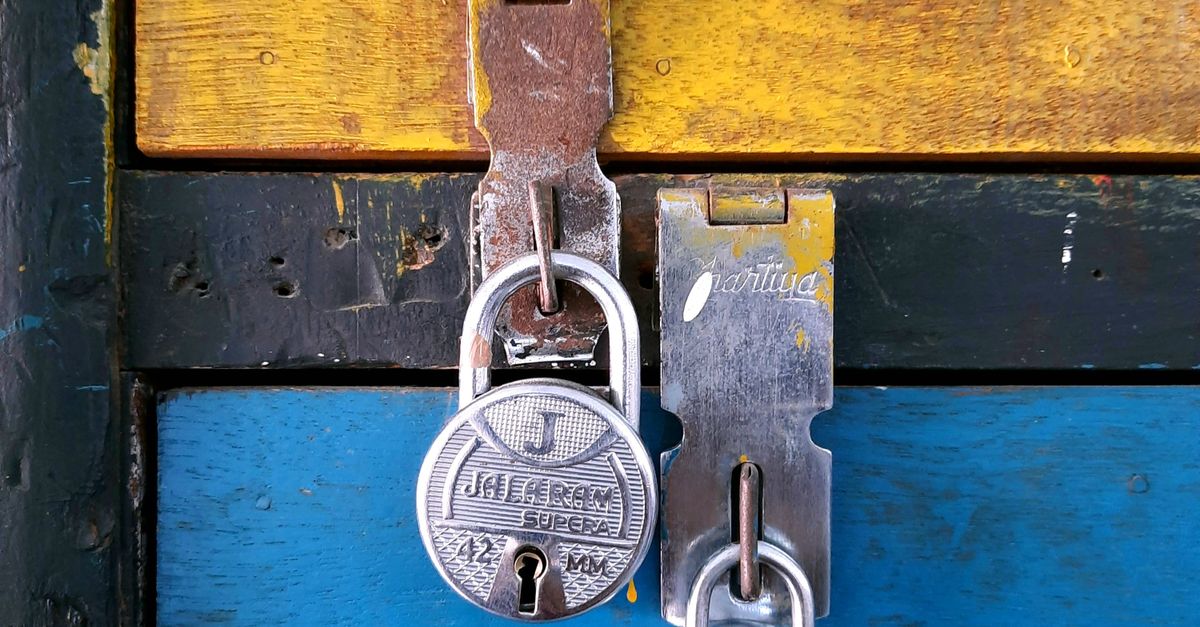
A home usually has a handful of doors, one or two people with keys, and simple deadbolts. A business has employee entrances, customer doors, stockrooms, server closets, filing rooms, and often a schedule of who should reach what and when. That layering of access is where a commercial locksmith earns its keep — the goal is not just to lock a door, but to control exactly who opens which door, and to change that control quickly when staff, tenants, or vendors change.
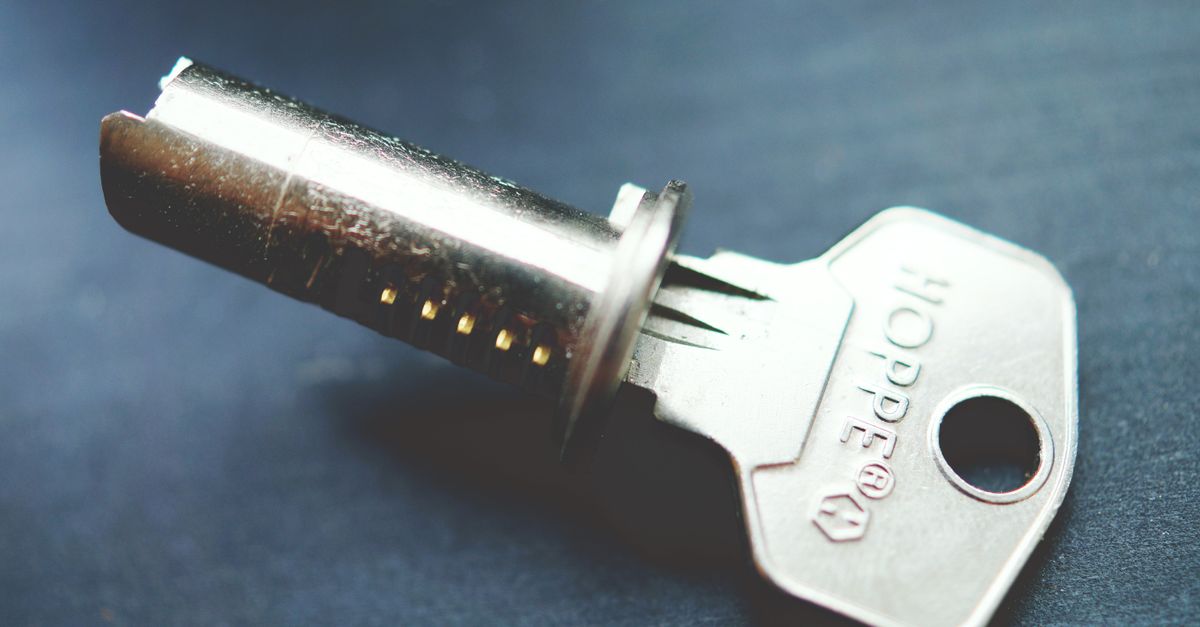
The hardware itself is built to a different standard. Commercial doors carry heavier traffic, so they typically use grade 1 or grade 2 cylindrical locks, mortise locks, and panic hardware rather than the lighter residential fittings you'd find at home. A mortise lock, in particular, is a workhorse on commercial storefronts and offices: its lock body is pocketed into the door edge, it resists abuse far better than a simple door knob lock, and it can combine a latch, deadbolt, and lever in one robust unit. We service, repair, and install mortise lock assemblies as a core part of our commercial work.
There's also the matter of compliance. Businesses must keep egress doors that open freely from the inside even when locked from the outside, and that requirement drives a lot of our recommendations. When we walk your space, we look at fire-code egress, ADA-friendly lever operation, and insurance expectations at the same time, so the fix we quote solves the security problem without creating a code problem.