Why Door Knob Lock and Deadbolt Grade Ratings Actually Matter
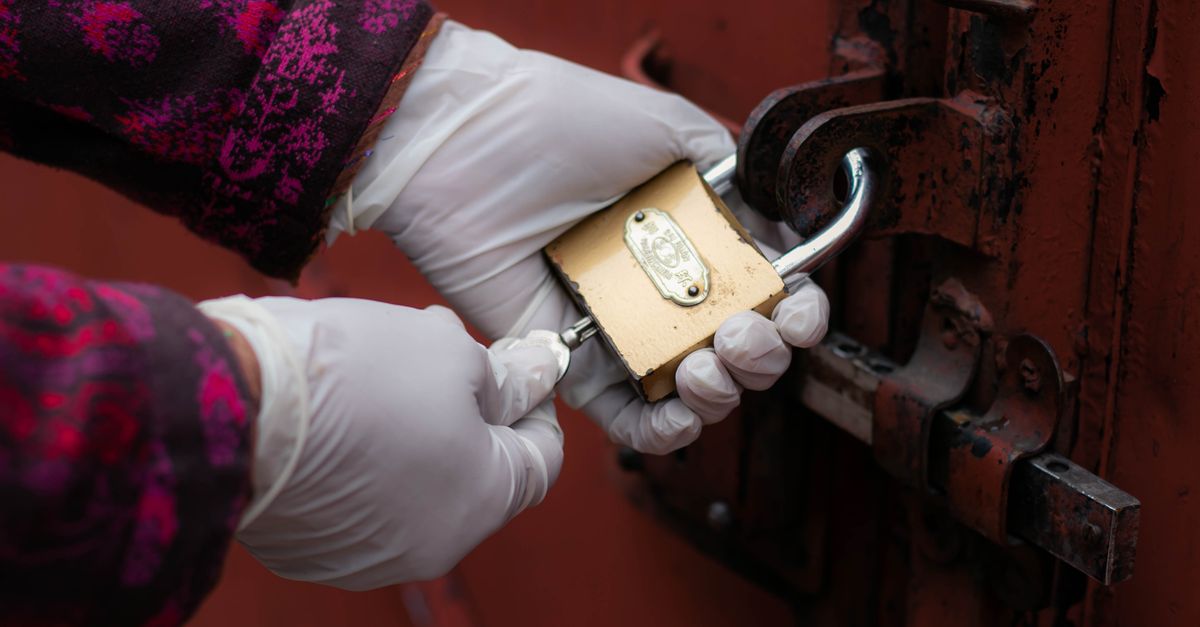
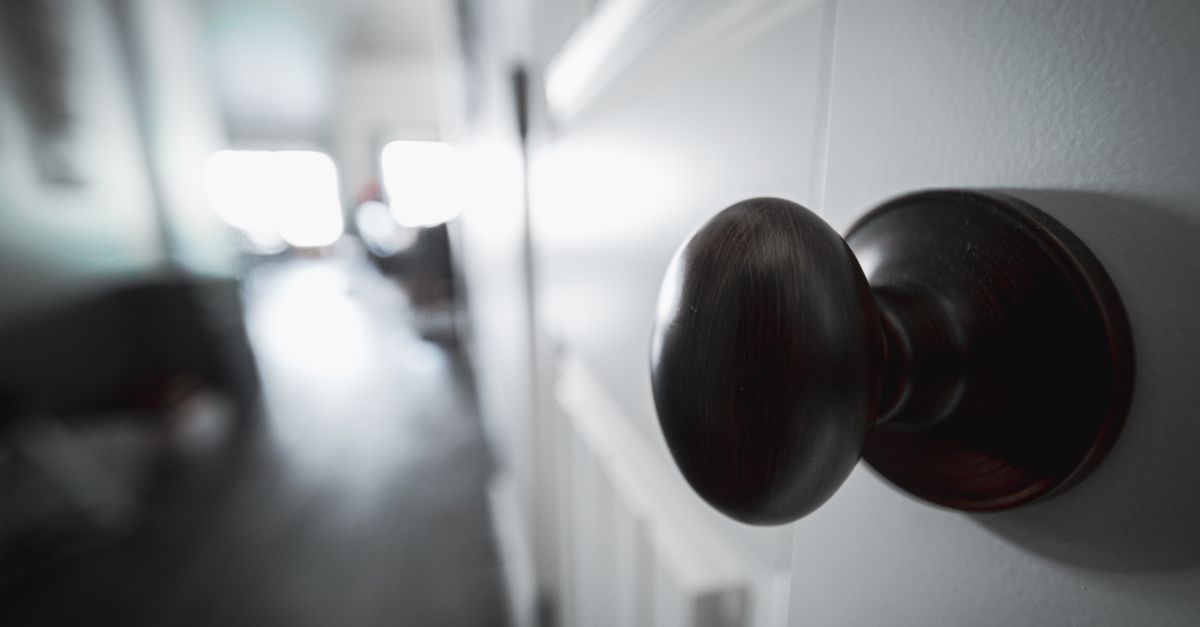
Not every door knob with lock and key on a hardware store shelf is built the same. ANSI/BHMA grades — Grade 1, Grade 2, and Grade 3 — measure cycle life, strength against forced entry, and corrosion resistance. A Grade 3 knob lock might cycle 100,000 times before failing and offer minimal kick resistance; a Grade 1 deadbolt is engineered for 250,000 cycles and is designed to resist far greater impact loads. For an exterior door in Clark's variable climate — humid summers, icy winters — finish durability matters too. Our technicians assess your specific door material (steel, fiberglass, or solid wood), the existing bore diameter, and the strike plate condition before recommending a hardware set. We install major hardware lines including Schlage and Kwikset, and we stock Grade 1 residential deadbolts and knob sets on our mobile units so most jobs are completed in a single visit.
The mortise lock is a separate and important part of this conversation. Rather than sitting inside a cylindrical bore, a mortise lock body drops into a rectangular pocket routed into the door edge, giving it a larger footprint, more bolt throw options, and significantly more resistance to pry attacks. Mortise lock installation is common on older Clark homes with thick wood doors, on commercial entries, and on high-security residential upgrades where a cylindrical deadbolt alone is not sufficient. Our technicians handle mortise lock installations and conversions — including routing new mortise pockets when a door is being upgraded from a cylindrical setup — with the proper chisels and jigs to keep the door edge structurally intact.